
Kava (Piper Methysticum) Uses and Effects, History, Rituals & Modern Benefits
- Conlan Casal
- Apr 29
- 63 min read

Updated: Jul 20
From Ancient Traditions to Modern Applications
A Complete Guide to the Pacific's Sacred Plant
Kava Kartel
Table of Contents

Garden
Introduction
Piper methysticum, commonly known as kava, is a tropical shrub with heart-shaped leaves. Its roots are used to prepare a psychoactive drink. Kava (often called kava-kava) is a plant in the pepper family (Piperaceae) native to the Pacific Islands. For over three millennia, Pacific Islanders in Polynesia, Micronesia, and Melanesia have cultivated kava and used its roots to make a traditional beverage renowned for its relaxing and sociable effects.
The word kava comes from the Tongan and Marquesan term for "bitter," reflecting the drink's sharp earthy taste. In different islands it is known by various names – e.g. yaqona in Fiji, ʻawa in Hawaii, ʻava in Samoa, sakau in Pohnpei – but its cultural importance is ubiquitous across Oceania. Traditionally, kava is prepared by grinding or pounding the stout roots of the plant and mixing them with water (or coconut water) in a large wooden bowl, then straining the mixture to produce a muddy, beige-colored drink.
The resulting beverage is non-alcoholic yet psychoactive: it induces a state of calm relaxation,
sociability, and mild euphoria without impairing mental clarity. Kava also numbs the tongue and throat, a distinctive effect caused by its active compounds.
Kava's unique combination of sedative, anxiolytic (anti-anxiety), muscle-relaxant, and mood-elevating properties has made it central to Pacific Island cultures. It is consumed in ceremonies to mark important events, as a social drink that fosters communal bonding, and as a traditional medicine. In recent decades, kava has
spread beyond the Pacific: kava bars and cafés have popped up in cities around the world, offering this age-old drink as a natural alternative to alcohol. Meanwhile, Western scientists have investigated kava's pharmacology and therapeutic potential – as well as its safety – with mixed conclusions.
This report provides an in-depth exploration of kava's mythological origins, cultural uses, historical trajectory, botanical and chemical characteristics, effects on mind and body, medicinal applications, preparation methods, cultivar varieties, health risks, legal status, economic and social significance, and modern trends. Throughout, we compare indigenous perspectives with Western scientific views to give a nuanced understanding of this remarkable plant and the "kava culture" that surrounds it.
Mythological Origins and Spiritual Significance
Across the Pacific, kava is steeped in mythology and regarded as a sacred gift. Many cultures have
origin legends explaining how kava came to humans – often imparting moral or spiritual lessons. There are two predominant mythic themes: one type of story tells of the kava plant sprouting from a buried human body, and the discovery of its potency when an animal (a rat or pig) is seen drunkenly chewing its roots. The other type portrays kava as a divine gift, delivered by gods or legendary ancestors arriving from afar. These myths, passed down orally, reinforce the idea that kava is more than a plant – it carries the mana (power) of ancestors or deities and must be treated with respect.
In Fijian lore, for example, one legend holds that kava was given to humanity by the snake-god Degei to enhance people's spiritual wisdom. Fijians thus considered kava (called yaqona in Fiji) to have a sacred role, initially reserved for chiefs and priests in ritual contexts. Another Fijian story, borrowed from Tongan lore, speaks of kava originating from the grave of a Tongan princess – a theme we explore below.
The Tongan Origin Myth
The Tongan origin myth is one of the most famous. According to this legend, on the island of Eueiki a
long time ago, a divine chief (the Tu'i Tonga) visited a poor couple who had nothing to offer him. In
desperation, they sacrificed their only daughter, a girl named Kava'onau who suffered from leprosy. The girl was buried in an umu (earth oven) as a makeshift tomb. Later, on her grave, two plants miraculously grew: the first kava plant on one side, and a sugarcane plant on the other. The couple observed a rat gnawing the kava roots and becoming stupefied, revealing the plant's intoxicating power. At the counsel of a wise man named Lo'au, the kava and sugarcane were presented to the king, and kava was institutionalized as the royal ceremonial drink.
To this day, Tongans honor this sacrifice: during the coronation of a new king, the first bowl of kava is
offered to his majesty, symbolically connecting him to Kava'onau's spirit. The Tongan myth not only explains kava's origin but encodes key Tongan virtues – respect (fakaʻapaʻapa), humility, commitment, and maintaining good relationships – as exemplified by the parents' sacrifice and the chief's merciful refusal to exploit his people.
Other Pacific Legends
Similar stories appear elsewhere. In many Vanuatu traditions, kava's origin involves a woman's death
and a "drunken rat." One version tells of a young man who buried his deceased sister; from her grave grew a kava plant, and a rat nibbling its root was seen stumbling about intoxicated. The sister's spirit then instructed her brother in a dream how to prepare the root into a drink to ease his grief, forgiving him and asking that he propagate the plant and share its benefits. This tale highlights the belief that kava carries the spirit of ancestors and can alleviate human suffering – a gift of peace from the departed.
In Samoan legend, kava ('ava) was a gift from the gods to the first chief, delivered by the deity Tagaloa and a Fijian princess, underscoring its status as a chiefly privilege. And in Hawai'i, where kava is called ʻawa, stories recount how the gods Kane and Kanaloa were the first to prepare and drink ʻawa, or how the plant was brought in canoes by the first Polynesian settlers as a sacred plant for religious rites.
Hawaiian chants and prayers for inspiration often invoke ʻawa – for example, a 19th-century record
notes the use of a strong black ʻawa (the Hiwa variety) brewed as an offering to hula gods, believed to grant visions and knowledge to the dancer. Such accounts illustrate that in indigenous perspectives, kava is a bridge to the spirit world: a sacrament offered to deities and a means for humans to receive divine insight or ancestral guidance.
Because of these sacred connotations, traditional kava use is often surrounded by ritual protocol and taboo. In many societies, kava drinking was historically restricted to certain people (chiefs, priests, elder men) or occasions (ceremonies, negotiations, spiritual observances). Failing to honor proper rituals could offend the gods or ancestors associated with the plant. Even today, Pacific Islanders regard kava with reverence. For example, a common practice in Vanuatu and Fiji is to spill a few drops of kava on the ground as a libation to the spirits before drinking, or to utter a prayer of thanks.
In island belief systems, the mildly altered state of consciousness from kava – relaxing yet aware – is
considered "a meaningful experience that brings new knowledge", a state where one might hear the voices of ancestors or gain clarity on community matters. This spiritual dimension contrasts with Western views of intoxication; in Pacific epistemology, kava intoxication is sacred and illuminating, rather than simply recreational.
Traditional Cultural Contexts and Rituals
Kava is deeply woven into the social and cultural fabric of Pacific Island societies. Each island group
has developed its own customs, ceremonies, and etiquette around kava consumption, reflecting local values and social structures. Below, we highlight kava's role in several Pacific cultures – Fiji, Vanuatu, Tonga, and Hawai'i – illustrating both common threads and unique practices.
Kava in Fiji: The Yaqona Ceremony

In Fiji, kava (known as yaqona or colloquially grog) is the national drink and a cornerstone of social life. Nearly every important occasion in Fijian society includes a yaqona ceremony – from births, marriages, and funerals to village meetings and the welcoming of honored guests. A formal sevusevu ceremony typically begins with a presentation of bundled kava roots as a gift to the community's chief or host, symbolizing respect and goodwill. The roots are then prepared on the spot: traditionally they were pounded into powder, but today they are often pre-pounded or ground and then mixed with cold water in a large hardwood bowl called a tanoa.

The brownish kava mixture is strained through a cloth (in the past, through hibiscus fiber) and collected in the tanoa, ready to serve. The service of yaqona follows a structured ritual. Participants sit in a circle on the floor, with the tanoa bowl in front of the tunidau (master of ceremonies) who chants traditional phrases as he prepares and serves the beverage. A polished half coconut shell called a bilo is used as the cup. The first cup is ceremonially offered to the chief or honored elder. The cup-bearer presents it with both hands, and the chief claps once ("cobo") before drinking. He drinks the entire bilo in one long gulp, after which the assembly claps three times in unison, saying "Bula!" (a Fijian greeting meaning "health" or "life"). Then the bilo is refilled and passed to each person in order of rank. This ritualized order of service reinforces the Fijian respect for hierarchy
and community.
Once formalities are over, the gathering often relaxes into informal talanoa (storytelling and discussion) as bilo after bilo of kava are shared into the night. Kava in Fiji is both ceremonial and every-day. While the full sevusevu is reserved for special events and chiefly gatherings, Fijians in all walks of life also drink kava casually in the evenings to unwind and socialize. It is common for men and women alike to sit cross-legged around a kava bowl in someone's home or at a community hall, chatting and strumming guitars as they take turns downing bilos of the soothing brew.
.Unlike some Polynesian societies, Fijian custom does not exclude women from drinking kava – both genders participate freely, a fact of pride in modern Fiji's egalitarian view of yaqona. Whether consumed in ritual or in recreation, yaqona is seen as a symbol of hospitality, unity, and identity for Fijians. Visitors are often welcomed to a village with a kava ceremony, and bringing a bundle of kava roots as an offering is considered the proper etiquette for guests. This humble plant beverage thus serves as a social lubricant and a cultural ambassador: to share kava is to share friendship and peace.
Kava in Vanuatu: Nakamal and Kastom

Vanuatu is often considered the home of kava, as botanical evidence suggests Piper methysticum was first domesticated in northern Vanuatu about 3,000 years ago. Today, kava (malok in some local languages) is arguably the most culturally and economically significant crop in this Melanesian nation. Every evening as dusk falls, nakamals (traditional kava meeting houses) come alive across Vanuatu's villages and even in its capital, Port Vila.
A nakamal can be any communal space – often a simple thatch hut or an open-air shelter – where people gather to drink kava and converse. Historically, nakamals served as the male-only councils of the village, where elders met to discuss community matters and resolve disputes under the calming influence of kava. While customs vary by island, many ni-Vanuatu still observe that only men drink kava in traditional settings, and it's often consumed at the end of the day as a transition from work to rest.
The preparation of kava in Vanuatu is typically from fresh roots (considered more potent than dried). In some southern islands, a unique traditional method persists: young men chew chunks of fresh kava root into a pulp, then spit the pulp into a bowl to mix with water. This chewing method, though seemingly unhygienic to outsiders, is a time-honored technique that uses enzymes in saliva to help extract kavalactones; the communal chewing also has initiatory significance for youth serving their elders. In other areas, kava is pounded using heavy stones or ground by hand into a wet mash. The juice is then squeezed out with water through coconut fiber.
The result is a thick, earthy brew often stronger than the kava served elsewhere. In Vanuatu, kava is
usually taken "straight" in one quick shell (often a half coconut shell is used as the cup) and not sipped at leisure. After finishing a shell, patrons typically retreat quietly to "feel" the effect – kava drinking in Vanuatu is a relatively subdued affair, with low voices and reflective silence rather than boisterous chatter. Eating is avoided until kava is finished for the night, as food is said to spoil the effect.
Despite (or because of) its mild intoxication, kava plays a powerful social and spiritual role. In rural areas, sharing kava is an egalitarian bonding ritual among men – unlike the formalized Polynesian ceremonies, Vanuatu's kava circles emphasize equality and camaraderie. Men contribute roots from their gardens, take turns preparing the brew, and drink together as "wantoks" (extended family or friends), reinforcing kinship ties. Kava is also an essential item in the gift economy: it is presented at life-cycle ceremonies (bride-price exchanges, funerals, grade-taking ceremonies in custom societies) and offered to seek forgiveness or seal peace in disputes. The saying goes that "kava brings peace", reflecting its use to reconcile relationships; its calming effects are believed to promote goodwill and resolve anger.
On a spiritual level, ni-Vanuatu often speak of kava as having a living spirit. During custom rituals, the
last drops of a shell may be spilled onto the ground as an offering to ancestral spirits, or participants will blow out kava mist from their mouths as a blessing to the sky. It is said that by drinking kava, one "opens the door" to communicate with ancestral beings in dreams or visions. Kava thus has a quasi-sacramental status in Vanuatu's kastom (traditional culture).
Kava in Tonga: Faikava and Royal Ceremonies
In the Kingdom of Tonga, kava (Tongan word: kava, same as English) is more than a beverage – it is an embodiment of social order, respect, and cultural continuity. Tongans have formalized kava drinking into ceremonies that play a central role in governance and community life. The most exalted is the Taumafa Kava, the royal kava ceremony, performed on occasions like the coronation of the King or the installation of a noble. During this ritual, participants sit on woven mats in a circle with a large carved wooden kava bowl (kumete) in the center. Attendants (typically young unmarried women of rank) mix and serve the kava, while orators chant protocols and announce each cup to be served in a strict hierarchy.
The first cup is offered to the honor guest or highest chief present (in a royal ceremony, to the King) as a sign of allegiance. Kava in this context is deeply symbolic: when one drinks from the royal kava cup, one is spiritually communing with the ancestors and affirming the traditional power structure of Tonga. The ceremonial order and stylized language have been passed down for generations, making the kava circle a microcosm of Tongan society – structured, respectful, and rooted in ancient custom.
Outside of these state ceremonies, Tongans also engage in more informal kava gatherings known as faikava, roughly meaning "kava partying." These are essentially social clubs where men gather to drink kava, sing traditional songs, and converse, often late into the night. Faikava are usually male-only spaces, reflecting Tonga's conservative gender norms around kava. The kava is prepared by a designated touʻa – traditionally a young woman who serves the kava but does not drink it. It is customary that the touʻa is not closely related to any men present; if a man is a blood relative of the server, he should excuse himself from the session.
This practice stems from notions of propriety (to avoid incestuous overtones in the flirtatious environment of faikava) and also casts the touʻa in a role akin to an honorably courted "kava maiden." In Tongan culture, if a man ends up marrying a touʻa from his kava circle, he is expected to present kava to her during the wedding as part of the ceremony – an interesting custom where kava appears even in matrimonial rites as a gift symbolizing the bond.
Tongan kava nights have their own etiquette: on the main island of Tongatapu, Wednesday and Saturday are the traditional kava nights (no formal kava sessions on other weekdays), a rule stemming from mission era influences and local regulations. Outer islands are more relaxed on which days kava can be drunk. A Tongan kava session is filled with joking, debate, storytelling, and especially singing – the group often breaks into hiva kakala (kava songs) in multi-part harmony. The atmosphere is one of brotherhood and camaraderie (mafana), but always underlaid with the proper respect (fakaʻapaʻapa) expected in Tongan gatherings.
The kava itself is served in rounds; with each round, the touʻa will prepare a half-coconut cup and pass it to each man in order. Tongan kava tends to be consumed in moderate volume per round but over many rounds, and the session can go on for hours until the supply of dry kava root is exhausted. By the end, tongues are numb and bodies tranquil – an experience Tongans fondly call mana, the blissful mellow feeling kava provides.
Kava in Hawai'i (and Other Polynesian Islands)
In Hawai'i, kava – known in Hawaiian as ʻawa – was integral to native Hawaiian life, particularly for its
medicinal and ritual uses. The Hawaiian kahuna (priests and healers) cultivated specific prized varieties of ʻawa and used them in sacred ceremonies to communicate with the spirit world or seek divine favor. For example, before undertaking an important task or battle, a kahuna might prepare an ʻawa ritual to gain spiritual power (called mana). Only certain varieties of Hawaiian ʻawa were deemed appropriate for ceremonies, notably the Mo'i (literally "king") and Hiwa types.
Mo'i ʻawa, which is high in the kavalactone kavain, was famous for its uplifting, clear-headed effect; it
was so valued that in ancient times only aliʻi (chiefs) were allowed to drink it, and it was kapu (forbidden) for commoners. Hiwa, a potent black-stemmed ʻawa, was reserved for sacred offerings – it was given to hula deities and used in hula ceremonies to inspire dancers and chanters. A Hawaiian chant recorded by ethnographers praises the "black sacred ʻawa root" as bringing visions like that of a god, indicating how ʻawa was thought to open the mind to divine knowledge.
Medicinally, Hawaiian healers used ʻawa as a herbal remedy for many ailments. The root was chewed or made into a tea to relieve muscle pain, anxiety, and insomnia. It was given to fussy children or teething babies (in diluted form) to calm them, and used externally as well – for example, ashes of ʻawa stems might be applied to treat certain skin diseases. These traditional uses highlight that Hawaiians recognized the analgesic and sedative qualities of kava well before Western science.
Hawaiian folklore also personified the plant; one story tells of a mythical couple from Kauai who loved ʻawa so much that after death they became spirits residing in the plant, giving it its power. When Protestant missionaries arrived in the 19th century, many native practices including hula and ʻawa ceremonies were suppressed. ʻAwa use never disappeared, but it receded from public ritual into more private or medicinal contexts for a time. In recent decades, there has been a Hawaiian cultural revival, and with it a renewed interest in traditional ʻawa ceremonies. Today, Hawaiians hold ʻawa circles at cultural events and the dedication of new structures (like the Ahu Ola ceremony at the University of Hawaiʻi's medical school, where ʻawa is ritually shared to bless the endeavor).
Commercial cultivation of ʻawa has also increased on Hawai'i Island, and local kava bars (often called
"ʻawa bars") cater to both natives and newcomers seeking a taste of the Hawaiian tradition. Beyond Hawai'i, many other Polynesian islands have their own kava customs. In Samoa, for instance, the formal 'ava ceremony is a hallmark of Samoan culture and closely resembles the Tongan style. A finely carved round bowl (tanoa) is used, supported by short legs often adorned with coconut fiber braid. During chiefly gatherings (fono) or occasions like bestowing of matai (chief) titles, a designated taupou (ceremonial hostess, often a high-born young woman) prepares and serves the 'ava.
The Samoan ceremony has a set oratory: when the 'ava is ready, the server delivers the cup to each chief in a prescribed order, after a verbal exchange that includes naming the recipient and saying "lau ava lea, lau susuga" ("here is your 'ava, sir"). The chief accepts with "ia manuia" ("may it be well") and splashes a bit on the ground for the gods before drinking. This solemn ritual reinforces Samoa's social structure and is considered a central ritual of Fa'a Samoa (the Samoan way). In practice, however, everyday 'ava drinking in Samoa is much less common than in Fiji or Vanuatu – it is largely reserved for these ceremonies, rather than a nightly social pastime.
In other parts of Polynesia, kava traditions waned under colonial influence. The Māori of New Zealand knew of kava (their word kawa refers to bitter plants) but could not grow it in NZ's temperate climate; instead, they transferred the name kawakawa to a local pepper (Piper excelsum) that has ceremonial importance but no psychoactive effect. This suggests the first Polynesian voyagers to Aotearoa brought memories or even samples of kava, but the plant could not survive, so a symbolic substitute was chosen to maintain cultural protocol.
In Micronesia, certain islands like Pohnpei and Kosrae have an ancient kava culture (likely introduced
from Vanuatu or Fiji long ago). Pohnpei's kava, called sakau, is famously strong and is prepared by pounding the roots on a large stone and squeezing the juice with hibiscus bark. Sakau ceremonies in Pohnpei are somewhat more private and are often associated with blessings or reconciliations; the drink has a thicker consistency and is served in carved wooden cups.
Despite variations, a unifying theme across these cultures is that kava fosters social harmony and
connects the present to the past. Whether it's chiefs sharing a bowl to endorse a political decision, friends unwinding after work in a nakamal, or a healer invoking spirits with ʻawa, kava's role is to bring people together in a spirit of peace, mutual respect, and reflection. Western observers historically noted how a kava gathering is markedly different from an alcohol-fueled party: no loud brawling, but a gentle conviviality. This has led many to conclude that kava is a cultural adaptation to maintain social cohesion – providing an outlet for relaxation and communal bonding without the disruptive effects of drunkenness.
Historical Spread and Colonial Encounters
Kava's story is intertwined with the epic saga of Pacific settlement. The plant is not found in the wild
outside Oceania, implying it spread solely through human agency. Genetic studies indicate kava was domesticated from a wild relative (Piper wichmannii) in northern Vanuatu or nearby New Guinea islands. It likely began as a cultivated medicinal or ritual plant among Austronesian peoples. As the Lapita culture (the ancestors of Polynesians and Micronesians) set sail eastward 2–3 millennia ago, they carried kava cuttings in their canoes. Through this intentional migration, kava traveled first to Fiji, then to Tonga and Samoa, and onward to far-flung Polynesian archipelagos.
By the time of European contact, kava was being grown and used in virtually all parts of Polynesia
(including Tahiti, the Cook Islands, the Marquesas, and Hawai'i) except New Zealand (too cold for cultivation). It was also present in some parts of Micronesia (notably Pohnpei and Kosrae) and parts of Melanesia (Vanuatu, Fiji, parts of Papua New Guinea and the Solomons). Interestingly, where kava culture took root, the habit of chewing betel nut (common in most of Melanesia and Southeast Asia) disappeared – suggesting kava replaced betel as the preferred psychoactive social chew among Austronesians in the Pacific.
Europeans first learned of kava in the Age of Exploration. The earliest recorded Western encounter was in 1616, when Dutch navigators Willem Schouten and Jacob Le Maire arrived at the island of Futuna (in the western Pacific near Tonga). They described a ceremony where islanders prepared a drink by chewing roots and mixing with coconut water, then offered this "intoxicating pepper water" to the Dutch crew, who found the effect startling. (One captain initially refused it, fearing poison.) Later, in the 18th century, British explorer Captain James Cook and his naturalist Joseph Banks gave detailed accounts of kava during their voyages.
Cook's expedition observed kava in Tahiti and Tonga around 1777, noting how deeply ingrained it was in ceremonial life; the drink was prepared by "certain old men" chewing the root, and produced "chearfulness without any subsequent languor or stupefaction" in the words of the ship's surgeon. Such reports fascinated Europeans, and kava entered the scientific literature as Piper methysticum ("intoxicating pepper") in the late 18th century. Missionaries and colonial officials, however, often viewed kava with suspicion. To missionary eyes, kava drinking was tied up with "pagan" rituals and idle behavior. Moreover, the traditional chewing method repulsed Europeans as unhygienic.
As a result, Christian missionaries in the 19th century frequently discouraged or outright prohibited kava in areas under their influence. In Tonga and parts of Samoa, missionaries managed to limit casual kava use to certain days or contexts (hence Tonga's mid-week kava night tradition), but they did not fully uproot it due to its importance in chiefly ceremonies. In Fiji, some Methodist missionaries attempted to ban kava in church functions, prompting Fijians to adjust by using dried kava (which could be stored and hidden) instead of fresh – a practice that gave rise to the now-common use of dried kava powder.
In New Caledonia and parts of Papua New Guinea colonized by Europeans, colonial authorities at times forbade kava to encourage labor productivity or promote imported alcoholic beverages instead. By the early 20th century, kava drinking had diminished in a few places due to these pressures (for instance, in some Micronesian islands under strict missionary regimes, kava use was largely eradicated). But in most of Polynesia and Melanesia it survived, and in some cases even thrived as a form of resistance to colonial rule. Kava circles provided a space where indigenous people could gather out of the colonizers' gaze, speak their own language, and reinforce cultural norms. For example, in Vanuatu (the New Hebrides), colonial plantation owners initially looked down on kava, preferring their workers to drink alcohol which they could tax. However, during the anti-colonial movement, Vanuatu leaders promoted kava as the national drink that distinguished them from the foreign rulers. After independence, Vanuatu experienced a kava renaissance, as
described earlier.
In the late 20th century, as interest in herbal medicines grew globally, kava caught the attention of
outsiders once again. Pacific countries began exporting kava to pharmaceutical markets in Europe and Asia by the 1980s–90s. This created new economic opportunities but also new challenges, as Western buyers demanded large quantities and consistent quality. It also led to international scrutiny of kava's safety (discussed later). One could say kava's journey has come full circle: from a cherished local tradition, through periods of colonial suppression, to a modern era where it's becoming a global commodity – yet still struggling for acceptance on its
own terms.
Botanical Characteristics of Kava

Piper methysticum is a tropical shrub that typically grows to about 2–3 meters (6–10 ft) high at maturity. It has lush green, heart-shaped leaves and jointed stems, resembling other pepper plants (to which it is related). Kava rarely flowers and almost never produces viable seeds; centuries of cultivation have resulted in sterile cultivars that propagate only by cuttings. This means all kava plants are essentially clones, and farmers propagate new plants by replanting stem nodes or root stalks. The plant thrives in well-drained, shady forest soils in hot, humid climates – conditions abundant in Pacific islands. Traditional cultivators often plant kava in partial shade among other crops.
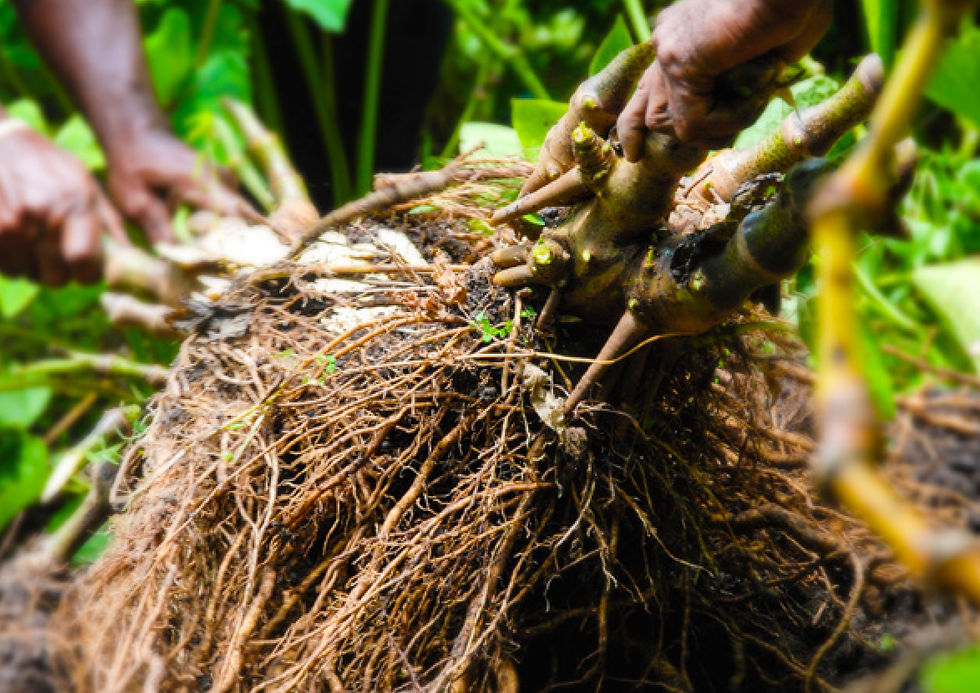
Kava's active ingredients are concentrated in its roots and stump (lower stem). A mature kava plant
(harvested at 4–5 years old) develops a thick central rootstock (often called the "crown" root) with numerous lateral roots. Upon harvesting, the above-ground parts are cut off and only the roots and stumps are used. Fresh kava roots are heavy with moisture (around 80% water). After drying, kava root composition is roughly: 43% starch, 20% fiber, 15% kavalactones (active compounds), plus sugars, proteins, and minerals.
Notably, the concentration of kavalactones is highest in the lateral roots (so-called waka grade in Fijian kava, considered the strongest) and lowest in the stems and leaves. This is why traditional usage across the Pacific focuses on roots, sometimes the stump, but never the leaves or upper stem, which contain negligible kavalactones and some potentially harmful alkaloids (like pipermethysticine).
One important botanical fact is that Piper methysticum is conspecific (same species) as Piper wichmannii, a wild pepper found in parts of New Guinea and Vanuatu. The cultivated kava differs by being larger, sterile, and having higher concentrations of desired chemicals. Over centuries, Pacific farmers selectively bred kava for desired traits – much like fruit-tree domestication elsewhere – resulting in hundreds of distinct cultivars today. These cultivars vary in color, form, growth habit, and importantly, in chemical profile and effects. The greatest diversity of kava cultivars is found in Vanuatu, which is considered kava's geographic origin and has dozens of named varieties. Other island groups have fewer, having carried only select cuttings
during migrations.
Noble and Non-Noble Kava Varieties
Pacific islanders traditionally recognized that not all kava is equal. Some types produce a pleasant,
smooth experience and can be used regularly, whereas others are harsher, with effects that linger unpleasantly into the next day. Modern researchers categorize kava cultivars into "noble" and "non-noble" varieties. Noble kavas are those esteemed for daily or ceremonial use: they are relatively mild or "heady" (uplifting) in effect, quick to act and quick to dissipate, with minimal side effects. Non-noble kavas include so-called tudei ("two- day") varieties and wild or "medicinal" kavas; these tend to have heavier, more narcotic effects that can cause next-day drowsiness or nausea.
Chemically, non-noble types often have a higher proportion of certain kavalactones (like
dihydromethysticin) and other compounds (e.g. flavokavains) linked to more side effects. Noble kavas, by contrast, have kavalactone profiles that produce euphoric, clear, and relatively short-lived relaxation, without toxic build-up. For this reason, Pacific peoples historically spread only noble kava when they migrated – the undesirable types were largely left back in places like Vanuatu. Indeed, outside of Vanuatu (and parts of Papua New Guinea), nearly all kava traditionally grown (e.g. in Fiji, Tonga, Samoa, Hawaii) falls under noble cultivars.
In Vanuatu itself, both types exist. Vanuatu farmers distinguish everyday drinking kavas (noble
cultivars) versus stronger "makas" or medicinal kavas (non-noble) reserved for special purposes. A common non-noble class is called "Tudei" kava (from "two-day"), named for its long-lasting effects. One example is Palisi, a vigorous variety that matures in half the time of noble kava but is much more potent and associated with a kava "hangover" the next morning. Tudei kavas were traditionally used only rarely (for ritual or when one wanted a very strong narcotic effect), but some unscrupulous exporters in the 1990s mixed them into commercial products, which is suspected to have contributed to reports of adverse reactions abroad.
Today, Vanuatu has laws banning the export of non-noble kava to protect the reputation of their product. Only certified noble varieties, grown at least 5 years and organically, can be exported from Vanuatu. To better illustrate the differences, the table below compares a few well-known kava cultivars:
Cultivar (Origin) | Type | Notable Characteristics and Uses |
Borogu (Vanuatu) | Noble | Very popular Vanuatu cultivar (Pentecost Island). Balanced "medium" chemotype; produces calming euphoria without heavy sedation. Often exported due to its smooth taste and desirable effects. |
Melomelo (Vanuatu) | Noble | Also called Sese in north Pentecost. Known for its "heady" (clear-headed) relaxing effect. Favored for regular drinking; less numbing, more uplifting. |
Palisi (Vanuatu) | Non- noble (Tudei) | Fast-growing (harvestable in 1–2 years). Very potent, with high levels of dihydrokavain and flavokavains. Causes pronounced sedation and a hangover-like lethargy lasting into next day. Banned from export; used only in some local ceremonies. |
Mo'i (Hawaii) | Noble | "King" variety of Hawaiian ʻawa. Rich in kavain, giving a strong cerebral buzz and euphoria. Formerly reserved for aliʻi (royalty) – considered sacred. Provides energizing, clear relaxation. |
Hiwa (Hawaii) | Noble | Revered black-stem Hawaiian kava. Used in religious ceremonies (hula) as an offering. Produces a deep, insightful calm. Associated with spiritual inspiration. |
Isa (Papua New Guinea/Hawaii) | Non- noble (Tudei) | A PNG-origin kava introduced to Hawaii by some farmers. Grows quickly. Heavy, intoxicating effect with more side effects. Considered undesirable by traditionalists; Hawaii is attempting to prevent its spread. |
As the table suggests, "noble" kavas are generally those that cultures came to prefer for pleasant
recreational or ceremonial use, whereas "non-noble" were either left for special contexts or avoided. Modern quality standards (for example, in Vanuatu, Fiji, and industry bodies) emphasize the exclusive use of noble cultivars for safe consumption. Efforts are also underway to educate consumers about these distinctions – many exporters and kava bars now advertise that their product is "100% noble kava". This is not just a marketing term but an important assurance of quality and safety, as non-noble kavas have been implicated in past controversies about health risks (particularly liver toxicity, discussed later).
Apart from chemical differences, cultivars also have varying cultivation needs and appearances: some have green or yellow stems, some are tall and sparse, others short and bushy. Farmers often select cultivars suited to their soil and climate. Interestingly, kava has now been introduced outside the Pacific for cultivation – for instance, certain kava strains are being grown experimentally in South Florida, USA, where the subtropical climate allows it. Early results show that with careful acclimation, kava can be farmed beyond its original range, potentially opening new sources for the growing global demand. However, preserving genetic diversity (especially the rich heritage of Vanuatu's cultivars) is important for the plant's future, as each variety is a
repository of cultural and medicinal knowledge.
Chemical Composition and Pharmacology

The psychoactive effects of kava stem from a unique class of compounds called kavalactones (also
known as kavapyrones). Scientists have identified at least 18 different kavalactones in kava root, though six major kavalactones account for about 96% of the extractable activity. These six are: kavain, dihydrokavain (DHK), methysticin, dihydromethysticin (DHM), yangonin, and desmethoxyyangonin. Each has a slightly different structure, and together they give kava its effects.
For example, kavain (often the most abundant in noble kavas) is associated with anxiolytic and muscle- relaxant effects and a clear-headed feeling, whereas dihydromethysticin and DHK tend to be more sedating. Yangonin has affinity for cannabinoid receptors, suggesting it may contribute a mild euphoria or mood lift. The precise pharmacology of each kavalactone is still being studied, but their synergy is key – whole kava root produces a combined effect that is more nuanced than any single compound alone.
Kavalactones are fat-soluble molecules, which is why traditional preparations use no heat (just cold
water) – heat can degrade them, and solvents like alcohol can over-extract undesired components. Standard chemical analyses show that kavalactones are concentrated in the root peel and lateral roots (15%+ by dry weight in the root peel vs. as low as 1–5% in leaves). Besides kavalactones, kava contains minor constituents like chalcones (flavokavain A, B, C) and trace alkaloids (e.g. pipermethysticine). The flavokavains are of interest because they are present in higher amounts in non-noble kava and have been linked to some of kava's toxicity concerns (they can stress liver cells in high doses). Noble kavas contain very low levels of flavokavains
by comparison.
Pipermethysticine is an alkaloid found mainly in kava leaves/stems (not the root) and is considered
toxic; consuming those parts of the plant is avoided traditionally for that reason. These findings reinforce the wisdom of the traditional preparation: use the roots only, and with water, to obtain kavalactones and leave behind unwanted chemicals.
Once consumed (usually by drinking the suspension of ground root in water), kavalactones are absorbed and act on the central nervous system in various ways. Pharmacologically, kavalactones are complex: they don't target just one receptor or pathway. Research indicates kava's major constituents modulate several neurotransmitter systems: they enhance signaling at GABAA receptors (the receptors that benzodiazepines and alcohol act on, producing relaxation). This likely underlies kava's anxiolytic and calming effect.
Kavalactones also interact with dopamine and norepinephrine pathways (which can contribute to mood elevation and focus) and with glutamate release (potentially providing neuroprotective or anticonvulsant effects). Some components, like yangonin, bind to CB1 cannabinoid receptors, albeit weaker than THC, possibly contributing to muscle relaxation and analgesia. Kava extracts can also inhibit MAO-B enzymes and certain ion channels in the brain. In simpler terms, kavalactones act as a broad-spectrum CNS depressant or tranquilizer, but with a different profile than opiates or alcohol.
They tend to calm the mind and produce contentment without heavily impairing cognition. Studies have generally found that moderate kava use does not dull mental sharpness or memory the way many sedatives do. Early Western observers even remarked that kava "relaxes the body after strenuous efforts, clarifies the mind and sharpens the mental faculties" when taken in small quantities. Modern user reports often echo this: a well- prepared kava drink can alleviate anxiety and tension while leaving one pleasantly clear-headed and sociable.
The onset of kava's effects usually occurs within 15–30 minutes after drinking. Users first notice a
tingling numbness on the tongue and lips, caused by kavalactones' local anesthetic action (they can block sodium ion channels in nerve cells, similar to how a topical anesthetic works). This numbing sensation is a hallmark of kava. Shortly after, a mild elevation in mood and talkativeness may occur; kava is known to encourage easy conversation and laughter in the initial phase. As time progresses (after a shell or two), muscle relaxation deepens and a wave of tranquility settles in. Many describe it as a feeling of contentment or "aloha" – worries dissipate and the body feels light.
Unlike alcohol, kava typically does not cause loss of coordination at moderate doses, nor does it provoke aggression; instead it tends to maintain mental clarity or even enhance introspection. Higher doses of kava, or continuous shells through a long session, can lead to drowsiness and eventually a deep, refreshing sleep. Notably, kava is not generally euphoric or hallucinogenic – it will not make someone "high" in the sense of vivid distortions or extreme elation; its psychoactive effect is subtler, more of an emotional calm and sociable warmth. This is why Pacific Islanders often prefer kava in community settings: it loosens the tongue but not the mind, allowing meaningful conversation and connection.
The duration of kava's effects can range from 2 to 6 hours, depending on the dose and type of kava.
Noble kavas have a shorter, cleaner duration (wearing off in a couple hours), whereas tudei kavas can linger and leave one sluggish the next day. Importantly, kava does not cause hangovers in the way alcohol does (no throbbing headache or severe dehydration) – except when non-noble varieties are consumed, which is why those are discouraged.
Pharmacokinetically, kavalactones are metabolized in the liver by cytochrome P450 enzymes. Different kavalactones have different half-lives, but generally within 8–9 hours most are eliminated (some residual effects may be felt as relaxation into sleep). Because multiple liver enzymes are involved, kava can interact with other substances metabolized by the liver (this is covered in the safety section).
A point of interest: unlike many psychoactive substances, kava is commonly regarded as non-addictive. It does not directly stimulate the brain's dopamine "reward" circuit in the intense way that drugs like opioids, nicotine, or alcohol can. Physical dependence and withdrawal symptoms are virtually unheard of for kava. Regular users can stop without major issues, aside from perhaps missing the sense of relaxation. That said, psychological habituation is possible – some individuals in Oceania drink multiple shells nightly and may be very averse to stopping (any pleasurable activity can become habit-forming). There have been a few cases cited where extremely heavy kava drinkers (consuming far above traditional amounts) showed addictive patterns. But
these are exceptions; overall kava lacks the reinforcing addiction potential of alcohol or benzodiazepines, which is one reason communities promoted it as a safer alternative.
Effects on Mind and Body
To summarize the psychoactive effects: kava produces a state described as calm, happy relaxation. Users often feel their anxiety reduced and mood uplifted after drinking kava. Muscle tension eases – people commonly report a sensation of physical lightness or a pleasant "melting" of stress. Unlike alcohol's disinhibition, kava's sociability comes with clear thinking; one feels content to sit and talk or listen to others without agitation. Motor coordination and reflexes can slow a bit (hence one should not drive immediately after strong kava), but this effect is moderate compared to alcohol's impairment.
If a large amount of kava is taken in a short time, more pronounced effects include drowsiness, slight
nausea, loss of muscle control, and red eyes or dilated pupils. These reflect the deeper sedative actions at higher doses. Some kava varieties (especially tudei types) can produce a heavy, almost drunk-like lethargy if overused. But with typical moderate consumption, the outcome is an awake relaxation – a somewhat paradoxical state of feeling both tranquil and mentally alert.
People's experiences can vary depending on personal factors (body size, tolerance, mindset) and the environment. In Pacific communities, it's often said that the setting and company influence the kava experience ("good kava, good friends, good atmosphere"). Modern drug research echoes this, noting that set and setting can color any psychoactive experience. For instance, someone who is anxious or in a noisy unfamiliar place might not relax as well on kava as someone who is among friends in a calm setting. The expectation plays a role too – Islanders accustomed to the bitter taste and numbing feel associate it with positive communal feelings, whereas a newcomer might initially find it unpleasant until they learn to appreciate the subtle effects. In general, kava is
best enjoyed in a comfortable, safe environment with a relaxed pace, which is exactly how traditional use is structured.
Beyond the mind, kava has some noticeable physiological effects. It has a mild anesthetic action
(numbing the mouth/throat as noted) and can act as a muscle relaxant throughout the body. It tends to slightly depress heart rate and can lower blood pressure a bit due to dilation of blood vessels. Historically it's been used to calm heart palpitations. Kava is also diuretic (promotes urination) in some cases. One visible effect of heavy kava consumption is pupil dilation and bloodshot eyes – kava can cause the eyes to become a bit red and sensitive to light, a temporary effect sometimes seen in kava circles late at night.
Long-term, heavy users who drink kava every day sometimes develop a distinctive dry, scaly skin rash (often on the palms, soles, and back) known as kava dermopathy or "kanikani". This is due to kava interfering with cholesterol metabolism and skin turnover when overused; it is benign and reversible if kava intake is reduced and nutrition improved (since heavy kava drinkers may neglect diet).
Crucially, kava does not cause the loss of self-control associated with alcohol. Pacific Islanders
traditionally note that a man on kava remains polite and peaceful, whereas a man on rum may become belligerent. Anthropologists have observed that communities that drink kava regularly have low rates of violence or antisocial behavior during kava gatherings – the ethos is calm storytelling or quiet reflection. This ispartly pharmacological (kava lacks the impulsivity trigger of alcohol) and partly cultural (norms around kavaencourage harmony). For this reason, kava has been introduced in some places as a harm-reduction substitute for alcohol, as we will see in the societal sections.
In medical research, kava's most studied therapeutic effect is its anxiolytic (anti-anxiety) property.
Several clinical trials have found that standardized kava extracts can significantly reduce symptoms of anxiety, often comparable to low-dose prescription anti-anxiety drugs, without sedating or impairing cognition. One comprehensive review concluded kava had a "small but significant effect" on reducing anxiety in the short term. This led to a surge in popularity of kava supplements in the 1990s as a natural remedy for stress and insomnia. Patients often reported feeling calmer and sleeping better with kava extracts.
However, due to safety concerns (liver toxicity reports), many countries pulled kava off the shelves in the early 2000s. Follow-up studies have given a mixed picture – while kava does help anxiety for some individuals, the evidence for long-term treatment of generalized anxiety disorder is not yet conclusive, and researchers caution against heavy or unsupervised use. As of now, kava is not officially approved as a prescription anxiolytic in Western medicine, but it remains a popular over the-counter herbal supplement for those seeking a natural calming aid.
In summary, kava's effects on the mind and body make it a unique nature's tranquilizer – one that relaxes muscles, eases worry, numbs pain, and fosters sociability, largely without clouding the intellect or forming dependence. These properties explain both its revered status in traditional societies and its appeal in modern wellness contexts. Yet, as we shall explore, the very features that make kava gentle can belie potential risks when it's misused or processed improperly.
Traditional and Modern Medicinal Uses
Beyond its ceremonial and social significance, kava has long been valued as a medicine in Pacific Island ethnomedicine. Traditional healers used various parts of the kava plant (mostly the roots, occasionally the stem peelings) to treat a range of ailments. Some recorded traditional uses include:
Anxiety and Insomnia: Kava's calming effect made it a remedy for nervousness, irritability, and sleeplessness. In Hawaii, for instance, ʻawa was given to someone "troubled in mind" or suffering nightmares, to impart tranquility. Mothers might drink kava to help a baby sleep (the relaxant effect passing through breast milk in small quantities, according to lore).
Pain Relief: Kava's analgesic property led to its use for headaches, muscle pains, and uterine cramps. Fijian folk medicine would apply kava in a poultice for localized pain, and internally for general body aches after hard work.
Urogenital Health: Some island traditions used kava as a diuretic and for urinary tract issues. There are accounts of it being given for gonorrhea or vaginal infections (likely due to both its muscle-relaxant effect easing pain and possibly some antimicrobial action of kavalactones).
Respiratory Conditions: In parts of Vanuatu and Fiji, a strong kava brew might be given to someone with asthma or cough, as it tends to relax bronchioles and produce a sedating effect that could calm cough spasms.
Skin Diseases: The grated root or even ashes of the plant were used topically. In Hawaii, ash of burned kava stems mixed with other ingredients was rubbed on infants with thrush or fungal infections on the skin. Kava's mild anti-inflammatory effect may have been at play.
Social and Psychological Ills: Perhaps the most significant healing aspect was psychosocial – kava was used to mediate conflicts, alleviate social tension, and help people "open up." If two members of a village were feuding, a kava meeting could be arranged to settle emotions; it essentially served as a social therapy, calming anger and prompting reconciliation. This use straddles the line between medicinal and cultural, illustrating how health was viewed holistically.
Many of these traditional uses find echoes in modern herbal medicine. In the West, kava became popular as an herbal anxiolytic and sleep aid in the late 20th century. By the 1990s, kava extract capsules and tinctures were sold in health food stores as a natural alternative to benzodiazepines (like Valium) for anxiety and stress relief. Several placebo-controlled studies around that time showed significant reduction in anxiety symptoms for patients taking kava extract (typically standardized to 70% kavalactones, 150–300 mg kavalactones per day) over 4–8 weeks. One often-cited 2003 Cochrane review found kava to be effective in the short-term treatment of generalized anxiety disorder.
It was also studied for menopausal anxiety, mild depression (adjunct therapy), and insomnia with some positive outcomes, though sample sizes were small. However, enthusiasm dampened after reports emerged in Europe around 2001 of severe liver toxicity (including some liver failures) in people using kava supplements. These cases, though rare relative to the number of users, prompted many health authorities to act out of caution. Germany, Switzerland, France and others banned kava products in 2002. Health Canada and the UK issued bans or restrictions around the same time. The United States FDA did not ban kava, but in 2002 they issued advisories about potential liver injury and recommended people with liver disease or those taking alcohol/medications avoid kava.
Subsequent investigations suggested that many of the liver cases might have involved non-traditional usage: for example, using ethanol or acetone extracts of kava (which pull out more toxic components), or possibly consuming poor-quality kava that included stems/leave (with pipermethysticine). Some patients were also on other medications or had underlying liver issues. Leading kava researchers (like Dr. R. Teschke and Dr. S. Sarris) proposed a "six-point plan" to ensure kava safety: use only noble cultivars, water-based extractions, root material only, moderate dosages, and screening for contraindications. Over time, some countries revisited the ban. Germany's courts overturned the outright ban in 2014, allowing kava back as prescription medicine
with warnings. Canada lifted its ban in 2012, now permitting kava products with approval and specific labeling. In 2021 the EU still withheld a formal herbal monograph due to unresolved risk-benefit questions.
In practice today, many people safely use kava supplements for anxiety or sleep, but it is generally
recommended for short-term or occasional use rather than continuous long-term treatment. The lack of clear evidence for long-term efficacy, combined with safety concerns, means it's not a first-line medical treatment for chronic anxiety in most guidelines. Instead, it finds a niche among those seeking natural remedies to take "as needed" for situational stress – for example, someone might take kava extract on particularly anxious days or to unwind in the evening, much as one might use chamomile tea or valerian, but with a stronger effect. Beyond anxiety, there is emerging interest in other therapeutic areas:
Addiction management: Preliminary studies in animals and anecdotal reports hint that kava might reduce cravings for alcohol or other drugs, possibly by modulating brain reward circuits in a gentler way. Some addiction therapists in Oceania have even used kava circles as a means to help transitioning alcoholics, given kava's non-addictive nature and social support aspect. However, formal research is sparse.
Chronic pain: Given kava's muscle-relaxant and analgesic qualities, some have explored it for conditions like fibromyalgia or back pain. It's not a strong painkiller by any means, but as a relaxant, it can help with pain indirectly. Topical balms containing kava are sold in some places for joint or muscle pain, though their efficacy is not well-documented.
Sleep disorders: Kava can improve sleep latency (time to fall asleep) in those with stress-related insomnia, thanks to its sedating and anxiolytic effects. It doesn't significantly alter sleep architecture the way some drugs do, aside from promoting deep sleep when taken in moderate doses. However, if taken in excessive amounts, it could suppress REM sleep (as do many sedatives).
Neurological disorders: An interesting avenue is kava's potential neuroprotective effects. Some in vitro studies suggest kavalactones might have anti-convulsant properties (supporting traditionaluse for calming seizures) and could protect neurons from certain toxic insults by modulating glutamate and calcium channels. There's speculative talk about kava possibly benefiting conditions like mild anxiety-linked dementia or ADHD, but robust evidence is lacking and caution is warranted.
In modern wellness, outside clinical settings, kava is a star of the "natural calming" category. People use kava tea blends (though true kava doesn't dissolve well in a mere steeping, some products mix powdered kava into tea bags). There are also relaxation drinks on the market – canned beverages that include kava along with other herbs to create an alcohol-free "chill-out" drink. For example, brands like "Psychedelic Water" in the U.S. combine kava with damiana and green tea to produce mood-lifting effects in a canned drink. Kava is also used in some nutraceutical combinations for menopause (to reduce mood swings and tension) or pre-workout relaxation in sports (though one must be careful as kava can reduce sharpness if overdone).
The versatility of kava's therapeutic profile makes it appealing, but due to regulatory history, many
products tread carefully, often labeling as "herbal supplement" and advising not to exceed certain amounts or combine with alcohol. In summary, kava occupies a dual role as a cultural medicine rooted in tradition and as a modern herbal remedy under scientific scrutiny. It shows genuine promise particularly as an anxiety-reliever and stress-reducer, aligning with centuries of indigenous use for calming the mind. However, ensuring safey and proper use is crucial – a lesson hard learned in the international market.
Preparation Methods of Kava

The way kava is prepared greatly influences its potency, flavor, and cultural meaning. Traditional
preparation methods were honed over generations to optimally extract the kavalactones while fitting into social rituals. With globalization, new preparation techniques (and products) have emerged. Here we overview how kava is prepared and consumed, from the traditional village context to modern convenience forms.
Traditional Preparation
In its purest form, preparing kava is labor-intensive. It begins with harvesting mature kava plants –
typically at least 3-5 years old for full potency. The roots and stumps are cleaned of dirt and peeled or chopped into smaller chunks. In a classic preparation (still practiced in many parts of Vanuatu, Fiji, and elsewhere), the kava chunks are pounded in a stone or wooden mortar with a heavy pestle. This pounding crushes the tough roots into a fibrous mash. In some communities, especially historically in Fiji and Polynesia, the pounding was done rhythmically and communally – multiple people taking turns hammering the roots in sync, which itself became a part of the ceremony.
As noted, certain cultures used chewing instead of pounding: young men or virgin girls would chew
small pieces of raw kava root and spit the pulp into a bowl. Their saliva would help break down the root fibers. (This method was prevalent in parts of Vanuatu, Fiji, Samoa, and presumably was one of the earliest forms of preparation. It died out in places like Samoa and Tahiti due to missionary influence, but persisted in some Vanuatu villages into the 20th century.) Whether pounded or chewed, the end result is a wet mass of macerated kava root.
Next comes mixing with water. The kava mash is placed in a bowl or container, and cool water is added. The server then kneads and squeezes the mash in the water, a process that can take several minutes. The kavalactones and starches diffuse into the water, creating the characteristic muddy suspension. Traditionally, straining is done using natural fibers: in Polynesia, fibers from the inner bark of the hibiscus tree (called fau in Samoa, or broussonetia in Fiji) are woven into a strainer through which the liquid is wrung out. In Fiji today, people often use a fine mesh cloth or even a muslin sack – the pounded kava is put inside and dipped and squeezed in a bowl of water, much like a big tea bag.
The residue (the squeezed-out fiber) is set aside; the cloudy liquid is the drink. This first press of kava is usually the strongest. In some cases, a second or third batch of water might be added to the same fiber to yield weaker "washings," ensuring none of the active components are wasted. The strength of the brew can be adjusted by the ratio of water to kava and how vigorously it's squeezed. Experienced kava-makers can judge by color and feel; they often aim for a brew that is opaque "mud-brown" for ceremonies (strong) or somewhat lighter for casual drinking.
The prepared kava is then served immediately. In most traditions, fresh kava is consumed right away it's not stored for long, as the suspension can settle and also for fear of spoilage or reduction in effect. Freshly made kava from green (undried) roots has a sharper taste and is considered more potent than that made from dried powder; however, outside of kava-growing regions, dried powder is the norm for practicality.
Modern Preparation
As kava spread internationally, convenience methods evolved. The most widespread form is dried kava powder – essentially sun-dried or dehydrated kava roots, ground into a fine powder. This powder can then be prepared simply by mixing with water and straining. The ritual might be simplified (e.g., using a blender or shaker bottle to mix). Many kava enthusiasts use a "strainer bag", a fine nylon mesh bag into which they put the kava powder, then knead it in a bowl of water for 5-10 minutes. This replicates the traditional method, minus the pounding. Some even use mechanical mixers or dedicated kava-making devices that stir and press the kava
for you.
For quicker consumption, an "instant kava" has been developed: this is kava root that's been processed (often micronized or freeze-dried) such that it dissolves more fully in water without needing straining. Micronized kava is very finely powdered kava where the fibrous cellulose is so small it can be consumed with the drink – one simply stirs the micronized powder into water and drinks the whole mixture. It's convenient but can be harder on the stomach because you're ingesting all the fiber (which traditionally is discarded).
Another product is kava concentrates or pastes, where kavalactones are extracted (with water or food- grade solvents) and concentrated into a resinous paste that can be mixed into beverages or taken sublingually. These can be quite potent (70-80% kavalactone content), used in small pea-sized servings.
There are also kava pills and capsules containing either kava powder or kava extract. These were
popular in Europe and America before the regulatory crackdowns. They allow for a measured dosage – e.g., a capsule might contain 50 mg kavalactones – which some people prefer for supplement use. However, traditionalists often argue that the full experience of kava is tied to the communal awa circle and the earthy drink itself, which capsules cannot replicate. Indeed, the taste and the numbing effect in the mouth are part of how one "knows" the kava is good.
Another novel approach is using kava in food and mixology: In some kava bars, they blend kava with
fruit juice or coconut milk to improve the taste (kava is quite bitter and peppery). One might encounter a kava cocktail (alcohol-free) like a kava colada, where kava, pineapple, coconut, and maybe ginger are blended. These can make kava more palatable to newcomers. The caution is that mixing kava with fatty liquids (like coconut milk) can actually increase kavalactone absorption (since they are fat-soluble), potentially making the drink stronger than a water extract alone.
A very important aspect of preparation is what not to do: Never boil kava. High heat can destroy
kavalactones or change them. Traditional knowledge always used cold or lukewarm water – and modern tests confirm boiling can degrade some kavalactones (though gentle warmth, like using slightly warm water, can help extraction a bit without boiling). Also, avoid alcohol or acetone as a solvent for making drinkable kava – while they extract kavalactones very efficiently, they also bring out flavokavains and alkaloids, and the combination of kava with alcohol is dangerous for the liver. Unfortunately, some early commercial extracts did use ethanol, leading to products that were not "traditional" and possibly riskier.
In local contexts, there are interesting variants:
In Pohnpei (Micronesia), when making sakau, the fresh root is pounded on a large flat stone with another stone, until it's a pulp. The pulp is then placed in a length of hibiscus bark and twisted; water is poured over as it's twisted, and the kava juice oozes out and is caught in coconut shells. This method produces a thick, viscous drink, sometimes mixed with a small amount of mangrove bark for flavor. It's a highly ritualized and communal method that differs in texture from other kavas.
In parts of Vanuatu, after chewing or pounding, the kava is simply mixed and then drunk unstrained in some instances (more common in very rural areas or during certain grade ceremonies). That means consuming the root fiber along with the liquid, which is very heavy – but it ensures maximum potency.
In some Fijian villages, the kava-making is accompanied by clapping and chanting. One person might be designated as the guy who keeps time, clapping rhythmically as the kava is being stirred and served, adding a performance aspect. The phrase "Talanoa mada" (let's talk) might be used to invite storytelling once everyone has their cup.
Consumption etiquette also is part of preparation in a sense. In Fiji, you clap once before accepting the cup, say "Bula!", drink, then clap three times after. In Samoa, you might say "Manuia" (to your health) after receiving the 'ava, etc. These are not pharmacological but are crucial to the cultural atmosphere of kava.
Health Risks and Controversies
While kava is generally considered safe when consumed in the traditional manner (moderate amounts of water-based root infusion), several health risks and controversies have surrounded it, especially during its global expansion. It's important to examine these issues candidly.
Liver Toxicity
The most prominent controversy is kava's potential to cause hepatotoxicity (liver damage). Around the late 1990s and early 2000s, reports emerged of people who had been taking kava supplements developing serious liver problems, including hepatitis, cirrhosis, and even acute liver failure in a few cases. Approximately 30+ cases were documented worldwide. This prompted several countries (as mentioned in the medicinal section) to ban or restrict kava.
The exact cause of these liver injuries was hotly debated. Some possibilities identified were:
contamination of kava products with other toxic plants or molds, use of wrong plant parts (e.g., if stems or leaves were ground into the product, introducing the toxic alkaloid pipermethystine), use of non-noble cultivars with higher flavokavains that stress the liver, interactions with other drugs (some patients were on things like benzodiazepines or had been heavy alcohol users, compounding the liver burden), and even genetic susceptibility (some individuals might metabolize kavalactones differently, putting them at risk).
To date, no definitive single cause was pinned down, but a consensus is that traditional usage (roots
only, water extract, noble varieties) has a very low risk of liver injury. Indeed, Pacific Islanders who have drunk kava for centuries have not documented the kind of acute liver failures seen in those few Western cases. Those cases might have involved concentrated extracts and lack of the cultural limits on usage. Nevertheless, caution is warranted: individuals with pre-existing liver disease or who are taking other hepatotoxic substances should avoid kava or use only under medical supervision. It's also recommended not to combine kava with alcohol, as both tax the liver and could have additive effects.
Following the initial scare, some regulatory bodies have softened stance as evidence suggested kava is "acceptably safe" when used moderately – for example, a World Health Organization report in 2007 stated that traditional kava beverages have an "acceptably low level of health risk". Germany's current policy of prescription availability with warnings is an example of a balanced approach. It's wise for kava users to ensure they consume quality kava (noble cultivars, from reputable suppliers) and stick to recommended quantities (for instance, Australia's TGA recommends no more than 250 mg of kavalactones per day for supplements).
Kava Dermopathy
A well-known benign side effect of heavy kava consumption is a reversible skin condition often called kava dermopathy or kani kani. After weeks or months of daily kava use in large amounts, some people develop dry, scaly, flaky skin, usually starting on the scalp, face, or shins and can spread over the body. The skin can have a yellowish hue and a ichthyosis (fish-scale) appearance. This is thought to be due to interference with cholesterol metabolism and fat absorption, perhaps resulting in a temporary deficiency of fat-soluble vitamins (like vitamin A), plus kava's diuretic/dehydrating effect contributing to dry skin.
It is not dangerous and goes away once kava intake is cut back and diet improved (often simply taking breaks from kava and taking a multivitamin or eating oily foods helps). In Pacific communities, this side effect was sometimes even used as a mark of status – a person with kava dermopathy was known to be a notable kava drinker. However, it can indicate the person is overdoing it to a point that might also stress other aspects of
health.
Other Chronic Effects
Long-term heavy use of kava (we're talking many shells every night for years) has been associated with general health neglect: some studies in Aboriginal communities in Australia (where kava was introduced in the 1980s) noted heavy kava users had weight loss, poor nutrition, elevated liver enzymes, shortness of breath, and a dull affect. There is debate whether these outcomes were due to kava per se or due to lifestyle factors (those individuals might have been spending money on kava instead of food, etc.).
One controlled study found no evidence of major brain or cognitive damage in long-term heavy kava
users compared to non-users, except the skin changes and elevated GGT liver enzymes. This suggests kava doesn't kill brain cells or cause neurological deficits, but excessive use could indirectly harm health by displacing proper diet and causing lethargy. Pacific Islanders have a proverb: "Too much of anything is bad" – and kava is no exception. Moderation and periodic abstinence days are advised.
Interactions with Other Substances
Kava can potentiate (increase) the effects of other central nervous system depressants. Mixing kava with alcohol, benzodiazepines, barbiturates, opioids, or sedating antihistamines can lead to increased sedation, impaired motor control, and in worst cases, risk of respiratory depression. There have been reported incidents of people taking kava alongside prescription anxiety or sleep meds and experiencing extreme grogginess or fainting. Therefore, medical advice is to not combine kava with other psychoactives, especially alcohol.
Kava can also interfere with the metabolism of drugs via liver enzymes (particularly CYP450). It might slow the breakdown of certain anticonvulsants, antipsychotics, or levodopa (for Parkinson's), potentially increasing their levels. It may also have additive effects with substances that affect platelets or blood thinning (though evidence is limited). Users on any chronic medication should consult a healthcare provider before using kava regularly.
Another interaction: kava's muscle-relaxing effect can add to that of muscle relaxant drugs or cause
severe weakness if combined.
Addiction and Dependency
As mentioned, kava is not considered physically addictive and does not lead to dependency in the way many other sedatives do. People do not get drug cravings or withdrawal symptoms (like tremors or seizures) from stopping kava, even after long use. That said, psychological dependence can occur – someone might become very accustomed to using kava to deal with stress and struggle to cope without it (a behavioral reliance). This tends to be more of a habit than a chemical addiction.
In certain communities where kava is used nightly, some individuals find themselves reluctant to skip
nights, etc. This "soft" dependency is more akin to being very used to one's evening relaxing ritual; it doesn't escalate the way alcoholism can, and often can be curtailed with social support or replacing the routine.
Controversies in Social Context
From a societal perspective, a controversy is that kava in some places (like parts of Arnhem Land,
Australia) led to problems when it was initially introduced as an alcohol substitute. While it indeed reduced alcohol-related violence, some Aboriginal communities faced new issues: men spending large portions of their income on kava (impoverishing families), negligence of duties due to extended kava sessions, and concerns that heavy kava use was detrimental to community advancement.
This led the Australian NT government to regulate and limit kava imports, and for a time Western
Australia outright banned it (later reversed in 2017). The debate was whether kava was "a lesser evil" compared to alcohol or whether it was hampering those communities in different ways. Some Pacific Island leaders also have mixed feelings about kava's role: on one hand a proud cultural emblem and potential export earner, on the other hand some see it as a distracting vice for youth or a cause of reduced productivity. The term "kava drunkard" appears in some colonial literature, describing a person who spends all evening in kava stupor. However, in many islands the cultural framework surrounding kava (only in evenings, mostly men, certain days, etc.) traditionally kept such excesses in check.
Quality Control and Adulteration
Another issue in the global kava trade has been ensuring products are what they claim. There have been instances of adulterated kava products, e.g., pills spiked with pharmaceutical tranquilizers to make them "feel" stronger, or kava powder cut with other plant powders to increase weight. Additionally, if kava is not stored properly it can grow molds (though rare given it's dried – but the root can get moldy pre-drying in humid conditions).
Thus, an ongoing effort by organizations like the Pacific Kava Council is to implement quality
standards. Some Pacific nations have introduced certification for exports (like Vanuatu's requirement that only noble cultivars and certain chemotype kavas can be exported, and that they be free of mold and foreign matter). Reputable vendors often provide chemotype or cultivar info and lab testing results to assure no heavy metals, no aflatoxins, etc.
In conclusion, while kava is largely safe for most people when consumed traditionally, awareness of
potential risks is important, especially in non-traditional contexts. The key lessons from controversies are: stick to water-based noble kava, avoid combining with other hepatotoxins or depressants, and use in moderation. Kava's safety profile could be considered similar to that of other mild tranquilizers or even strong herbal teas – safe for many, but not universally foolproof or consequence-free if misused. As research continues, the hope is that clearer guidelines and perhaps improved processing (like removing flavokavains) will further mitigate risks, allowing kava to be enjoyed and respected as both a cultural treasure and a beneficial plant.
Legal Status Around the World
Kava's legal status varies widely by country, reflecting the aforementioned health debates and cultural considerations. Here is an overview of how different nations regulate kava as of mid-2025:
Pacific Island Nations
In kava's homeland, it is legal and culturally protected. Vanuatu has gone as far as passing legislation to ensure kava export quality: only certain noble cultivars of at least 5 years age can be exported, and export of non-noble kava or any leaves/stems is prohibited. Domestically, kava is sold in nakamals freely, though some islands impose local curfews (e.g., no kava sales during Sunday church hours, etc.).
Fiji likewise legalizes kava fully; it's regulated as a commodity (one can find it in markets and
supermarkets) and even gets duty-free status for export. There is no age restriction by law in Fiji, though culturally it's mostly adults who partake. Tonga and Samoa both embrace kava for cultural use. Samoa for a time considered joining the WTO case to fight EU bans, showing they see it as a trade issue too.
One quirk: Papua New Guinea historically had little kava use, but in recent years has started cultivating it as a crop for export to meet global demand; PNG's government declared plans to promote kava farming in certain provinces, effectively treating it like any other agricultural product (with standard export quarantines etc.). Solomon Islands legalized kava cultivation and export in the 2000s as well. In summary, within the Pacific, kava is generally legal and encouraged, with regulations focused on quality and preventing inferior or unsafe products.
Australia
Australia has had a complex relationship with kava. Currently, kava is regulated under the National
Code of Kava Management. Personal importation is allowed: travelers arriving can bring up to 4 kg of kava (root or dried form) in their luggage, if they are over 18. Commercial importation for resale requires a license and was heavily restricted, though recently (2022) Australia ran a pilot program allowing limited import for sale in the Northern Territory to appease Pacific communities.
Retail sale of kava is legal in most states, but with conditions. In the Northern Territory, possession is
limited to 2 kg per adult (to curb illicit resale). Kava was banned in Western Australia in the early 2000s, but that ban was lifted in 2017, bringing WA back in line with other states where it is legal but monitored. Australia's Therapeutic Goods Administration (TGA) sets a recommended maximum of 250 mg kavalactones per day for supplements, and kava products cannot make therapeutic claims without approval.
Food Standards Australia New Zealand has a specific standard (2.6.3) allowing kava as a food in certain forms (aqueous root extract) but prohibits mixing kava with alcohol or selling it to minors. In practice, kava use is mostly among Pacific Islander communities and at cultural events. There was concern over abuse in some Aboriginal communities, which is why restrictions like the 2kg rule exist. As of 2022, with Covid impacting supply and a new trade deal with Pacific nations, Australia agreed to relax some restrictions to allow controlled kava imports for cultural use, a move praised by island nations.
New Zealand
NZ treats kava as a food and dietary supplement, with specific caveats. Traditionally prepared kava (root ground and mixed in water) is recognized as a food under the Food Standards Code, meaning people can sell and serve kava beverages (indeed, kava bars exist in Auckland catering to Tongans and Fijians). However, only the root (or peel) and water may be used – any kava product using leaves, stems, or organic solvents (ethanol, etc.) for extraction is prohibited for human consumption. This is to ensure safety (no pipermethysticine from leaves, no acetonic extracts). Non-water extracts can be sold but only for non-consumption purposes (for example, kava-containing cosmetics might be allowed).
In 2016, there was a minor scare that NZ's Psychoactive Substances Act might affect kava, but the
government clarified that the Act exempted traditional substances like kava if used in the customary way. So in NZ, kava is legal to import, sell, and consume, with restrictions focusing on banning the risky forms. The NZ government also has educational materials on safe kava use and encourages Pacific communities to moderate use.
United States
Kava is legal in the U.S. and is sold mainly as a dietary supplement (pills, extracts) or in kava bars as a beverage. The FDA has not approved kava as a drug for any indication; it falls under the Dietary Supplement Health and Education Act (DSHEA) regulations. Under DSHEA, kava products can be marketed as long as they don't claim to cure specific diseases and as long as they are safe. The FDA's involvement has been mostly issuing warnings: in 2002 they alerted consumers about possible liver injury, and in 2020 they ruled kava is not GRAS (Generally Recognized As Safe) for use as a food ingredient.
This GRAS ruling essentially means one cannot add kava to conventional foods or beverages sold
interstate unless they get specific approval. This has been a grey area: kava bars operate by selling kava as an on-premise prepared drink (like an herbal tea), often sidestepping packaged food rules. However, in 2022, some kava bars in New York were temporarily told to stop serving kava because state authorities interpreted FDA's rule to mean kava drink service was not allowed. This led to a "kava crackdown" narrative, though at the same time, kava bars exist openly in states like Florida, California, etc., without issue. So enforcement is inconsistent.
Importing kava for personal use is legal (people buy online or bring from trips). Kava is not a controlled substance federally – meaning it's not scheduled like cannabis or such. Some states considered bills to regulate kava in the 2000s (Hawaii considered a kava quality control bill, but that was more supportive than restrictive). In a positive development, the State of Hawai'i in early 2024 evaluated kava under its traditional food exemption and concluded that traditionally made noble kava drinks have a history of safe use and thus can be allowed as a beverage under certain conditions. This essentially provides a path to officially sanction kava in Hawaii's food establishments, which could serve as a model for other states to explicitly allow kava bars.
Canada
Canada initially banned kava in 2002, with Health Canada prohibiting any product containing kava from being sold. In 2012, they lifted the outright ban and moved to a regulated approach. Now, kava can be sold in Canada but products must be approved by Health Canada's Natural Health Products Directorate and have a Natural Product Number (NPN). Essentially, a company has to provide evidence of safety and quality to get an NPN for their kava product. As of a 2017 note, Health Canada had listed five kava ingredients allowed (likely specific extracts) and required risk labeling (like warning about the liver).
Kava is not available in general grocery stores, but one can find it in some specialty stores or via online purchase. Personal import for personal use seems tolerated in small quantities, though officially anything that's not approved could be seized by customs. There's no criminal penalty; it's a health regulation matter. In practice, some Polynesian stores in Canada do quietly sell kava powder under the radar for the local islander community.
Europe
Europe's stance has been mixed and evolving. Germany was the epicenter of kava use in the 1990s as an OTC anxiety remedy and also the epicenter of the ban. In 2002, German authorities (BfArM) banned kava products after liver cases. This prompted the EU to recommend a suspension of kava sales. Countries like France, Switzerland, the UK, and the Netherlands implemented bans or restrictions around that time.
Germany's ban was challenged in court by kava proponents and in 2014 the Federal Administrative
Court overturned it, meaning kava-based medicines could be legally sold again. However, the court left it to regulators to impose conditions. Now in Germany, kava pills are considered prescription medicines; a doctor can prescribe them for anxiety and they are filled by pharmacies. Packaging must have liver warnings and it's typically not a first-line prescription anyway.
In the UK, kava remains illegal to sell as a consumable product – a 2003 law criminalized selling or
importing any kava for human consumption (though possession and personal use are legal). You can import for other purposes (like as an ornamental plant or perhaps as a "soap additive") but not for eating/drinking. There have been periodic pushes by Polynesian cultural groups in the UK to lift the ban, but as of 2025 it still stands.
In Poland, as noted, they at one time listed kava as a narcotic. In August 2018, Poland removed kava
from its banned substances list, now allowing possession and use. But selling kava in Poland for consumption remains illegal – it occupies a strange gray area where you can have it, but you can't commercially distribute it. In Switzerland, kava is regulated as a prescription drug (like Germany) – doctors can prescribe it, but OTC supplements are not freely sold.
The Netherlands still apparently has a ban (they never lifted their 2002 ban), so kava is not legally sold there. Austria, Italy, and others followed the German lead early on; I believe Austria's ban might still be in effect, while some other countries quietly removed restrictions after Germany did. The European Union's herbal medicine committee (HMPC) in 2017 said they couldn't approve a monograph due to safety concerns, which means kava is not recognized as a safe traditional remedy EU-wide. So effectively in most of Europe, kava is either banned or only available as a prescription anxiolytic.
One exception: Pacific Island territories like New Caledonia or French Polynesia – being under French law, theoretically kava was banned in France, but I recall that in New Caledonia (which has its own local laws), kava bars operate legally as it's a big part of Kanak culture. They might have a local exemption. Similarly in Wallis & Futuna or Polynésie Française, kava is likely tolerated due to culture.
Other Regions
Asia: Kava isn't traditional to Asia, but some places see it as an opportunity. China: no widespread
presence; any import would be under general food import rules, and China historically is strict on herbs, so unknown. Japan: Kava is not widely known, but not specifically banned; it might fall under their herbal drug regulations if someone tried to sell it. There have been small amounts of kava product sales in Japan via online. South Korea: in 2019, a wave of "psychoactive plant" regulations banned many ethnobotanicals; I'm not certain if kava was included. It wouldn't be surprising if it's controlled. Southeast Asia: largely no presence, except maybe in expat communities.
Africa & Middle East: Not traditionally known. South Africa's health department in early 2000s flagged kava after EU but I'm not sure if they banned it. Middle Eastern countries might consider it an herb; it's likely not on the radar unless someone tried to import large quantities, then they might test it.
One country to mention is Papua New Guinea (PNG) which is interesting: In the 1980s, kava was
introduced to some highland parts of PNG by missionaries to try to reduce alcohol issues (similar to Aboriginal Australia). It gained some ground. But then the PNG government in late 2000s actually banned kava exports because farmers in PNG had exported low-quality kava to Europe which might have been implicated in bad reactions. The ban was to avoid harming PNG's reputation, I recall. However, more recently, PNG's interest in kava as an export commodity soared. In 2022, PNG's trade minister cited Fijian kava export success and said PNG would push into that market. So domestically legal, and aiming to export.
Finally, International Law: Kava is not scheduled by any international narcotics conventions. It is often treated under food and supplement laws rather than controlled substance laws. One notable development: In 2019, a regional body, the Pacific Islands Forum Secretariat, helped coordinate a "Pacific Kava Standard" to harmonize quality for export. They report tremendous growth: e.g. Vanuatu's exports quadrupled from 2014 to 2022. This push might involve diplomatic efforts to get Western countries to open up markets. Indeed, in late 2022, Codex Alimentarius (the international food standards body) was considering setting standards for kava as a herbal infusion, which could guide countries to allow it as a food.
In summary, kava's legal landscape ranges from fully legal and culturally embedded (Pacific Islands), to legally but regulated (USA, Australia, NZ), to banned or prescription-only (some EU states, UK). The trend in recent years seems to be a gradual relaxation in Western nations as more evidence accumulates that responsible kava use is low-risk. However, any new incident of toxicity could influence that again. For consumers, it's important to know their local laws – e.g. a traveler from Fiji to the UK shouldn't bring a kilo of kava powder thinking it's fine; it could be seized and they could face penalties. Conversely, a British expat in Florida can enjoy kava at a bar freely even though back home it's banned.
Economic and Social Implications
The rise of kava from a traditional substance to a global commodity has significant economic and social implications, both in the Pacific and abroad. We'll explore these, as well as kava's role in contemporary wellness trends.
Economic Importance in the Pacific
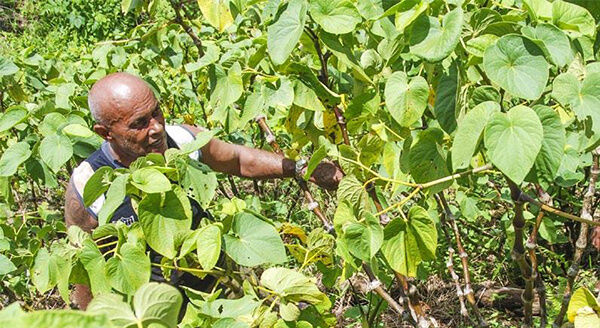
Kava has become a major cash crop for several Pacific Island nations. In Vanuatu and Fiji especially,
kava exports and domestic sales contribute substantially to livelihoods. For example, in 2020, kava comprised fully 50% of Vanuatu's total exports by value – an astonishing figure that underscores how vital it is to their economy. (This was around the time when increased global demand and cyclone impacts on other crops made kava the top earner.) Vanuatu exported roughly 50–70 tons of kava annually in the early 2000s, but by the late 2010s and into the 2020s, this ramped up significantly – reports suggest exports reached around 400 tons or more per year, worth over US$30 million.
In Fiji, kava (known there also as yaqona in trade) is one of the top agricultural exports, alongside sugar and fish. Fiji's kava exports were valued at about FJ$25 million (~US$12m) in 2015, climbing to over FJ$80 million (~US$37m) by 2021 thanks to new markets and possibly short supply raising prices. The Pacific Community (SPC) noted in 2021 that Fiji exported FJ$41.9m (US$20m) of kava that year. For Tonga, kava is significant domestically (lots of Tongans grow it for local consumption) and they export a smaller amount; similarly, Samoa grows some kava (some varieties are called ava Samoa) but exports are minimal. Vanuatu and Fiji dominate the kava trade, with newer entrants like Papua New Guinea, Solomon Islands, and even the Federated States of Micronesia (Pohnpei) trying to get a piece.
For farmers, kava can be quite lucrative compared to staples. Mature kava root prices have surged in
recent years. As a point, in Fiji in 2021, farm-gate prices of dried kava root were hitting FJ$100–120 per kg – up from maybe FJ$30 a few years earlier. This price spike was driven partly by demand in markets like the US and by cyclones that reduced supply. Such high prices incentivize farmers to plant more kava, sometimes replacing other crops. In Vanuatu's islands like Pentecost or Espiritu Santo, a growing portion of the population is engaged in kava cultivation and trade. It's not without risk: kava is a slow crop (takes years to mature), so price fluctuations can affect incomes greatly, and diseases (like kava dieback disease, a fungal disease) can wipe out plantings if not managed.
The economic boon from kava also extends to urban enterprises. In Port Vila, the proliferation of kava bars (nakamals) has created a micro-economy: small business owners run nakamals, middlemen buy kava from rural farmers and supply town, etc. According to a 1988 survey, Port Vila's nakamals consumed 400 metric tons of fresh kava per year, yielding an estimated revenue of nearly US$1 million annually at that time. Farmers only got a fraction (about $150k of that as farm income), but that was in 1988. By now those figures have likely increased many-fold. Kava's high value-per-weight makes it attractive for island economies with high transport costs for heavier goods.
National Identity and Social Structure
Economically, some Pacific governments actively promote kava as both an export and an instrument of social policy. Vanuatu's government, for instance, has encouraged kava production to reduce reliance on import of alcohol and to strengthen local custom. Kava is seen as a "green gold" that is uniquely Pacific and cannot be easily produced elsewhere (though as we see, attempts are being made in places like Hawaii, but overall the Pacific retains a comparative advantage). For small islands with limited options, kava offers a fairly sustainable, environmentally gentle crop (it's often intercropped and doesn't require heavy chemical inputs) that monetizes cultural heritage.
Socially, increased kava monetization does bring challenges. There are concerns about inequality: in some villages, those with land to plant kava can become significantly wealthier than those without. Kava farming can also shift labor away from food crops, raising some food security questions. In Fiji, for instance, there have been anecdotal reports that farmers are neglecting subsistence farming because kava (and another crop, taro) for export bring in cash, with which they buy rice or imported foods. There's nothing inherently wrong with that, but reliance on a cash crop can make communities vulnerable if the market crashes.
Cultural and Social Life
On the social side, the spread of kava bars in urban areas has changed nightlife for many. In Port Vila
and Suva, locals often prefer an evening at the kava bar rather than at Western-style pubs. This could be seen as a positive (less rowdy behavior, preserving culture) or negative (from a modernity perspective, some youth might see it as "old fashioned"). In any case, kava bars provide a culturally comfortable gathering place, and even in Western cities, kava bars serve as community hubs for Pacific diaspora. They allow, for example, Tongans in Salt Lake City or Fijians in Sydney to gather and maintain their customs away from home.
Interestingly, kava is also becoming popular among non-Islander populations in some cities, contributing to a new social trend: the "sober bar" movement. With rising interest in wellness and lower alcohol consumption among millennials, kava bars are popping up (particularly in the U.S. in Florida, California, New York, and recently places like Texas or North Carolina) as an alternative social venue where you can relax without alcohol. It's common to see a mix of islander patrons and health-conscious or curious locals at these venues. The number of kava bars in the U.S. reportedly grew from just a handful in the early 2000s to around 180 by 2017, and anecdotally it may be well over 200 now (some sources claim 300-400, but exact counts vary).
These establishments often also serve another herb, kratom, which is a separate issue, but often co-
marketed. (We must note kratom has a different risk profile and legal issues, but is not our focus here.) This "kava culture" expansion has social implications: it introduces Pacific cultural elements (like saying "Bula" or "Cheeehooo!" when clinking shells) to new audiences. It can foster appreciation but also raises questions of cultural appropriation or commodification. By and large, Pacific Islanders have been supportive of kava's global spread, seeing it as sharing their culture and creating economic opportunity. However, some caution that kava should be respected – e.g., not consumed to reckless excess or mixed with alcohol, etc., which might disrespect its traditional sanctity.
Wellness and Commercial Products
In the broader health market, kava has found a niche. Companies incorporate kava into supplements, teas, and "calm" beverages. There are, for instance, relaxation shots sold at convenience stores that include kava. The brand "Psychedelic Water" (though a misnomer, since kava is not psychedelic) launched a canned drink with kava that is sold in some retail outlets in the U.S., capitalizing on interest in legal psychoactives for mood. The global market for kava extracts was projected to reach into the hundreds of millions of dollars per year in the coming decade. One forecast suggested a $2.8 billion market by 2029 for kava root extract products worldwide, which if realized would massively transform Pacific economies (currently their exports are a small fraction of that, so presumably these forecasts include a lot of value-added products).
This wellness trend ties into the "sober curious" movement – people wanting social drinks that aren't
alcohol. Kava fits as it provides relaxation and sociability without intoxication in the traditional sense or hangover. Socially, if kava bars continue to rise, we might see subtle shifts: perhaps fewer alcohol-fueled incidents among those who switch to kava, or a reduction in alcohol sales in areas with heavy kava culture. In some Pacific countries, governments have actively promoted kava over alcohol to reduce societal harms. For instance, in Vanuatu the low licensing fee for nakamals and heavy taxes on beer were intended to nudge people to drink local kava rather than imported beer. However, ironically Vanuatu got its own brewery and started producing cheap beer, which then threatened nakamals' business by undercutting price. It shows that as much as kava is lauded as a cultural symbol and even a healthier socializing method, it faces competition from global
alcohol conglomerates.
Another social impact is on gender dynamics. Traditionally, kava in some societies was male-dominated. But as it commercializes, women have been increasingly involved – both as consumers and entrepreneurs. In Fiji and Hawaii, women now commonly partake in kava sessions, and there are women-run kava businesses. In Vanuatu's cities, women do attend nakamals (though still minority) or they buy takeaway kava to drink at home. There's a generational shift too: some younger islanders prefer colas and beers to kava, viewing kava as something for the older generation or too slow-paced. The challenge is ensuring the cultural transmission of kava rituals to younger folks so it doesn't wane. The commercialization ironically might help – making it "cool"
again via kava bars with music and wifi may attract youth.
Global Perception and Cultural Exchange
Kava's global journey has also been a story of cultural diplomacy. The initial bans in Europe were seen by Pacific countries as a lack of understanding of their culture and a blow to their economic development. They fought it on the international stage, which itself was a moment of Pacific voices asserting themselves. In recent years, events like kava festivals have emerged: for example, in Honolulu an annual "Kava Festival" celebrates ʻawa with education and tasting. Such events allow exchange of knowledge – scientists, cultural practitioners, and the public come together. Kava has even been used in political ceremonies beyond the Pacific – e.g., at some international conferences hosted in Fiji or Vanuatu, officials incorporate a kava welcome to honor the hosts. It's akin to how Japan might offer sake, but with a more spiritual tone.
One could also consider if increased kava demand might cause any social problems like exploitation or environmental issues. So far, kava cultivation is small-scale and often organic by default. If demand skyrockets, there might be temptation to use fertilizers or even clear forests to plant kava monocultures. However, kava grows best in partial shade among other trees, so agroforestry models are ideal. Still, monitoring sustainable practices is wise. On exploitation: if big supplement companies try to muscle in, they might patent certain extracts or apply IP that could disadvantage Pacific growers. There have been controversies over patents on
kava formulations in the past (e.g., a German firm patented a kava extraction method in the 1990s, but I think it expired). The concept of benefit-sharing arises: ensuring Pacific communities get fair value for their traditional plant, not just pennies while foreign entities make high profits.
During the COVID-19 pandemic, interestingly, kava sales from the Pacific soared because people were at home stressed and looking for natural remedies for anxiety. Fiji and Vanuatu reported kava export growth during 2020-21, and local consumption also likely grew as people had more free time (kava sessions are time- consuming). Kava, unlike many industries, thus proved somewhat pandemic-resilient.
Looking at social implications in diaspora: For islander migrants in places like the US mainland or New Zealand, kava is a link to home and a means of maintaining social ties. It helps transmit language, stories, and values in those communities. For example, a Tongans' kava circle in Utah may serve to induct the younger generation into cultural knowledge that they might not get in formal settings. There is also a cross-cultural effect: non-Islanders who get into kava often become curious about Pacific cultures, perhaps leading to more tourism or cultural exchange. Kava bars sometimes decorate with Pacific art and explain the origins of kava to patrons, functioning almost like informal cultural ambassadors.
In conclusion, kava's economics have given Pacific farmers and nations a potentially life-changing
income source (with half of Vanuatu's exports being kava, the stakes are huge). Socially, it has reinforced traditions and offered a healthier community bonding alternative in a modern world of isolation and substance abuse issues. It also faces challenges of integration and acceptance in global markets. The future of kava likely involves balancing commercial growth with cultural integrity: ensuring that increased production does not dilute quality or exploit those at the grassroots, and that as more people partake in kava globally, they do so with understanding and respect for the heritage behind it. If managed well, kava could truly be a win-win: a means for Pacific communities to thrive economically and culturally, and a gift to the world for stress relief and social connection.
Conclusion: Indigenous Tradition Meets Western Science
Kava's story is a rich tapestry of myth and medicine, culture and commerce. For thousands of years,
Pacific Islanders have cherished kava as a sacred plant – one that connects them to their gods and ancestors, and to each other in communal solidarity. Western scientific perspectives, coming much later, have unraveled many of kava's mysteries: identifying the kavalactones that ease anxiety and relax muscles, confirming that in moderate, traditional use kava is largely safe and non-addictive. Yet science also raised cautionary flags, prompting a deeper look at which kava types and preparations are truly safe.
In a way, modern science ended up validating indigenous wisdom: the fact that water-based brews of noble kava root – exactly how Pacific Islanders prepared it ritually – are the safest and most effective form of kava. Attempts to deviate from that (using concentrates, improper parts, or non-noble strains) led to problems that tradition could have foretold.
As kava steps onto the world stage, it exemplifies the importance of a cultural context in using plant
medicines. Indigenous practices surrounding kava – from the preparatory chants, to the respectful pacing of consumption, to the integration with social support systems – likely helped mitigate misuse and set natural limits. In Western settings, isolating kava as just a pill or "herbal drug" can lose that context, potentially leading to overuse or misunderstanding. For instance, a person who takes a concentrated kava capsule chasing a quick fix for anxiety, without the communal and ritual context, might be more prone to misuse than a villager who drinks kava only in the evenings in a structured ceremony.
Recognizing this, some researchers like Dr. Apolosi ("Poli") Aporosa from Fiji have advocated viewing kava through an ethnopharmacological lens – not just the chemical effects but the cultural frameworks that ensure it's used beneficially. Western scientific and medical communities are gradually coming to appreciate kava's potential. Kava offers an alternative or adjunct to synthetic anxiolytics, aligning with the growing demand for complementary and alternative medicine. At the same time, Western regulators are learning to balance caution with openness. Germany's reversal of the ban and Australia's pilot import program show a willingness to incorporate new evidence and respect cultural usage.
The fact that the World Health Organization reviewed kava and deemed traditional use "acceptably safe has helped shift opinions. Going forward, continued dialogue between Pacific Island kava experts (farmers, cultural practitioners, and Pacific scientists) and global researchers will be valuable. There remain questions to explore – e.g., could certain kavalactones be developed into pharmaceuticals for specific conditions? Can plant breeding yield kava cultivars with tailored chemotypes (higher anxiolytic to sedative ratio, for instance)? And how to ensure sustainability as demand grows?
From a cultural perspective, the global rise of kava can be seen as a form of soft power for the Pacific. Where once colonial forces tried to suppress kava, now that very plant is quietly making its way around the world, carrying with it pieces of Pacific culture. Kava sessions in Los Angeles or Melbourne might not look exactly like those in Levuka or Espiritu Santo, but they are forging new intercultural connections. Indigenous uses and Western perspectives don't have to be at odds – in the case of kava, they are increasingly informing each other.
Western science has helped identify why kava occasionally caused harm and thereby protected cultural consumers by pushing for quality controls (e.g., banning non-noble exports). Conversely, Pacific voices have urged Western regulators to see the bigger picture of kava's social value and not judge it by a few cases in isolation.
In summary, kava is both ancient and modern. It is the bitter cup offered to a Tongan king in a centuries- old legend, and it is the earthy brew in a neon-lit Florida kava bar where friends gather after work. It is a symbol of identity – the national drink of Fiji and Vanuatu – and a burgeoning export commodity in the global herbal market. It is a natural anxiolytic that science is still working to fully understand, and a cultural sacrament that requires no scientific justification for those who use it to seek peace and connection.
Kava's journey teaches us the value of respecting traditional knowledge while also applying rigorous
scientific inquiry – each can enhance the other. As long as kava is used with care – the way the Pacific ancestors intended: with respect, moderation, and community – its benefits can be shared widely, and its risks managed. Thus, kava stands as a fascinating example of a plant that is at once a gift of heritage and a tool for modern well-being, bridging the village and the laboratory, the past and the future.
Through the lens of Kava Kartel, we see the importance of honoring both the ancient wisdom that first discovered kava's gifts and the modern science that helps us understand how to use it safely and effectively. This plant, which has brought peace and connection to Pacific communities for millennia, now offers the same gifts to the world – if we approach it with the respect and understanding it deserves.
About Kava Kartel
Kava Kartel is committed to bridging the gap between traditional Pacific wisdom and modern kava
appreciation. We believe that understanding kava's rich cultural heritage is essential to properly experiencing and respecting this remarkable plant. Our mission is to educate, inform, and provide access to high-quality, ethically sourced kava products while honoring the traditions of the Pacific islands from which this sacred plant originates.
Through careful research, cultural partnerships, and a commitment to quality, Kava Kartel aims to be a trusted source for both newcomers to kava and those seeking to deepen their understanding of this ancient tradition. We recognize that kava is not merely a product, but a cultural bridge that connects us to thousands of years of Pacific Island wisdom and community.
As kava continues its global journey, Kava Kartel stands as a guardian of its traditional values while
embracing the opportunities of the modern world. We invite you to join us in exploring the peaceful path that kava offers – a path that leads from ancient village circles to modern wellness, from isolation to community, from anxiety to tranquility.
This comprehensive exploration of kava serves as both an educational resource and a testament to the enduring power of traditional knowledge in our modern world. May it inspire respect for Pacific cultures and wisdom in approaching this sacred plant.
Comments